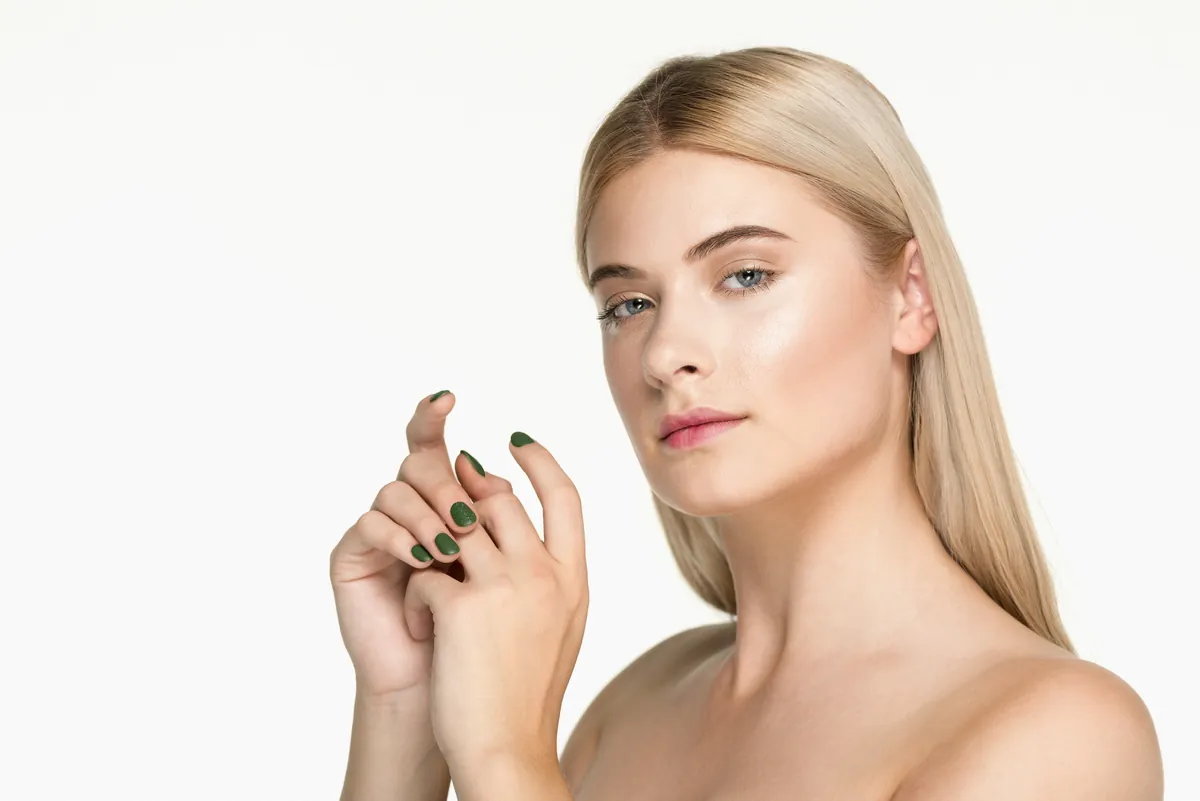
Sunscreen, the Quiet Luxury of Every Morning
Why daily protection is the most elegant long-term habit in beauty, and how to choose one you will actually wear.
Of all the habits in beauty, one does more for the way skin looks in ten years than any serum, and it takes thirty seconds: sunscreen, every morning, whatever the sky is doing. Think of it less as a precaution and more as preservation, the daily act of keeping the radiance you already have. Here is how it works, how much to use and how to choose a texture you will look forward to.
Two Kinds of Light
Sunlight reaches the skin in two bands that matter. UVB is the shorter wave, strongest in summer and at midday; it works on the surface and is what reddens skin after a long afternoon outdoors. UVA is the longer wave, present from sunrise to sunset in every season; it passes through cloud and window glass and reaches deeper, where it slowly loosens the collagen that keeps skin firm. Most of what we read as visible ageing, the softening jawline, the uneven tone, the fine lines, is UVA's quiet work over years.
The good news is equally quiet. Skin that is shielded from both bands keeps its tone more even, its texture smoother and its firmness for longer than skin left to the light. Sunscreen is not about fear of the sun; it is about keeping the complexion you enjoy today.
Reading the Label
SPF measures protection against UVB. SPF 30 filters roughly 97 percent of it and SPF 50 roughly 98 percent, so the step up is real but small; what matters far more is applying enough. UVA protection is shown separately: in Europe by the letters UVA inside a circle, meaning the UVA protection is at least a third of the SPF, and on Asian products by a PA rating, where PA++++ is the highest. Look for both marks, or for the words broad spectrum.
Filters come in two families, and the difference is mostly one of feel. Mineral filters (zinc oxide and titanium dioxide) sit on the surface and scatter light; they suit sensitive skin and tend to be creamier, sometimes with a soft white cast that modern tints now hide. Chemical filters absorb the light and release it as a trace of heat; they are lighter, often invisible and easy to wear under makeup. Many formulas blend the two. Neither is better; the better one is the one you will wear.
The Two-Finger Rule
Most people apply about a quarter of the amount used in testing, which means an SPF 50 behaves more like an SPF 15 on the face. The two-finger rule fixes this: squeeze a line of sunscreen along the full length of your index and middle fingers, and that is the dose for face and neck. It feels generous at first. Give it a minute and it settles.
Apply it as the last step of skincare and the first step of makeup, on a dry face, and allow it to set before anything goes on top. Press foundation over it rather than rubbing, so the film stays even. The neck, the ears and the backs of the hands are part of the face as far as the light is concerned.
- Face and neck: two fingers' worth, every morning.
- Eyes: a stick or a mineral cream that does not migrate, right up to the lash line.
- Lips: a balm with SPF, reapplied as often as you reach for it.
- Outdoors: reapply every two hours, and after swimming or heavy perspiration.
- Cloudy days and desks by a window: the morning layer still matters, because UVA comes through.
Reapplying Without Ruining Your Face
On an ordinary indoor day, the morning application does most of the work and a touch-up at lunch is a courtesy rather than a necessity. Outdoors, every two hours is the honest interval. Over makeup, a fine SPF mist adds a thinner layer than you would like, but a thin layer is better than none; a cushion compact with SPF, pressed on with a sponge, gives a fuller one and freshens the skin at the same time.
Radiance kept is radiance earned, one quiet morning at a time.
A Texture You Love
The difference between a sunscreen you own and a sunscreen you wear is texture. Dry skin tends to love a cream that doubles as moisturiser, perhaps with glycerin or ceramides; oily skin wants a fluid or gel that dries to a soft matte; combination skin often settles on a light lotion. Fragrance-free versions sit quietly under perfume, and a tinted mineral formula can stand in for foundation on a bare-skin day.
Try textures the way you would try a fragrance: on skin, for a whole day, in the light you actually live in. When you find the one that feels like nothing, or better, like a good moisturiser, the habit stops being a habit and becomes the pleasant first act of the morning.
Years from now, the skin that was shielded each morning will look rested and even in a way that no later treatment quite reproduces. That is the quiet luxury of sunscreen: nothing dramatic happens today, and that, precisely, is the point.
Questions, answered
Do I need sunscreen on a cloudy day or indoors?
On cloudy days, yes: a large share of UVA passes through cloud, and UVA is the band that ages skin most visibly. Indoors, ordinary window glass blocks most UVB but lets much of the UVA through, so a desk beside a window still counts as time in the light. The morning application covers both situations.
Is mineral or chemical sunscreen better?
Both protect well when the label shows broad-spectrum coverage and you apply enough. Mineral filters suit sensitive skin and feel creamier; chemical filters are lighter and often invisible under makeup. Many modern formulas combine the two. The better sunscreen is simply the one whose texture you will wear every single day.
How do I reapply sunscreen over makeup?
A fine SPF mist adds a light layer without disturbing anything, and a tinted powder or cushion compact with SPF pressed on with a sponge gives a fuller one while freshening the face. Neither matches a proper morning application, so make that one generous and treat the touch-ups as support.
Three terms
- Broad spectrum
- A label term meaning the sunscreen protects against both UVA and UVB light.
- PA rating
- An Asian grading of UVA protection shown as plus signs, from PA+ to PA++++, the highest.
- Mineral filter
- A sunscreen ingredient such as zinc oxide or titanium dioxide that sits on the skin and scatters light.
Photo: licensed stock photography.