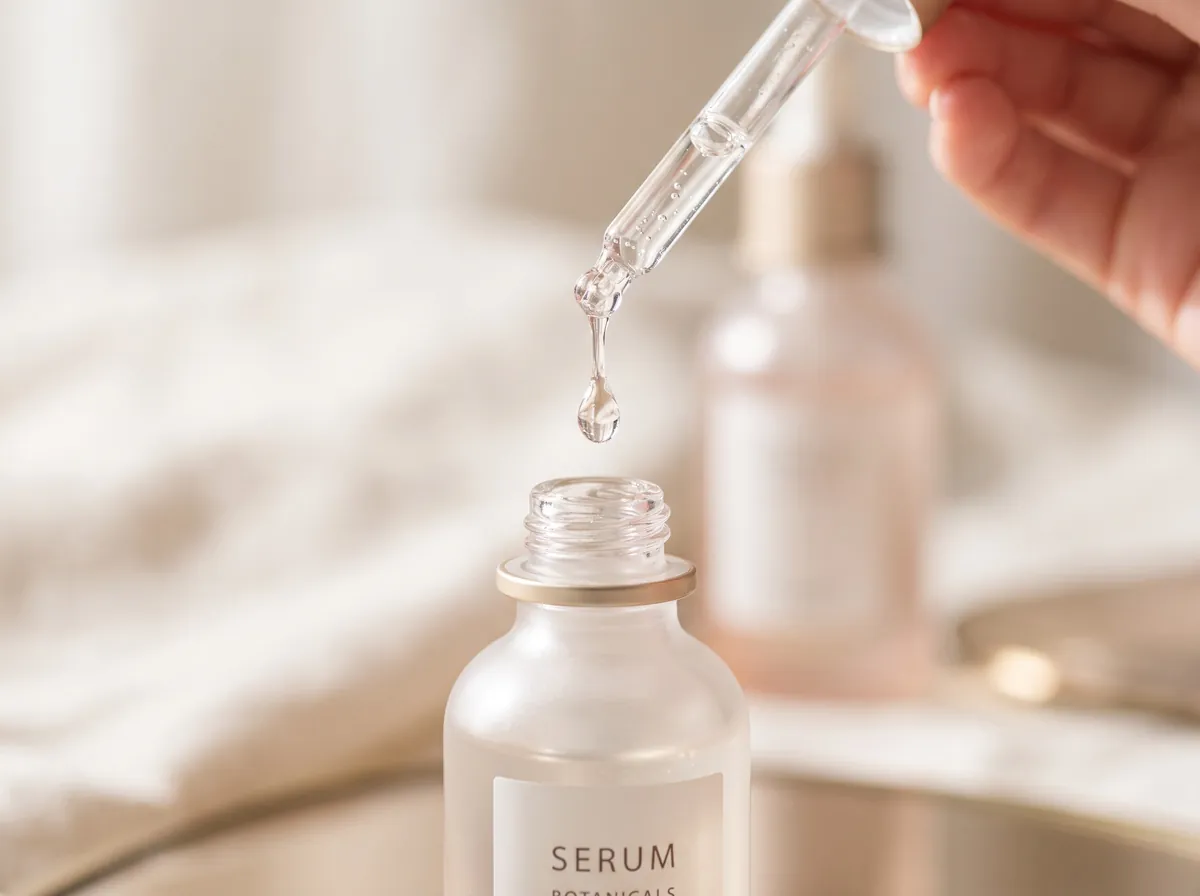

The Glass Skin Protocol
Seven calm steps to a complexion that looks lit from within, explained without the hype.
Glass skin is the Korean name for a complexion so hydrated and smooth that light seems to pass through it rather than bounce off it. It is not a finish you apply, and it is not a shopping list. It is the result of layering water into the skin and keeping it there, morning and night, for long enough that the surface settles. Here is the protocol, step by step, with the expectations set honestly.
What Glass Skin Really Means
The phrase arrived from Seoul about a decade ago and describes an effect rather than a look: skin so plump with water and so smooth that it reflects light in one soft sheet instead of many small glints. Hydrated cells sit flat and close together, so the surface reads as clear; dehydrated cells lift and scatter the light, so it reads as dull, whatever sits on top.
The protocol is less about any single product than about sequence and consistency. Every step either adds water, helps the skin hold it or protects what is already there. Seen this way, you can build the routine from gentle textures you already enjoy and stop chasing the next bottle.
Cleanse Twice, Exfoliate Rarely
The evening begins with a double cleanse. An oil or balm cleanser, massaged into dry skin for a minute, dissolves sunscreen, makeup and the day's sebum without stripping. A gentle, low-foaming water-based cleanser then lifts away the residue. Rinse with lukewarm water and pat the face until it is damp rather than dry. In the morning, a splash of water or one light cleanse is enough for most skin.
Exfoliation is where glass skin is most often lost rather than won. The aim is to remove the dull cells that have finished their work so the fresh ones beneath can catch the light. A mild chemical exfoliant (lactic acid, mandelic acid or a polyhydroxy acid) once or twice a week does this evenly and without friction. Grainy scrubs leave tiny scratches that make the surface rougher, the opposite of what you want. If your skin ever feels tight or warm, pause the acid for a fortnight and simply hydrate.
Layer Water, Then Seal It
This is the heart of the method. Hydrating products go on in thin layers while the skin is still damp from cleansing, each pressed in with the palms and given twenty seconds to settle before the next. Damp skin accepts water-based textures readily, and thin layers absorb where a thick one would sit on top.
A hydrating toner or essence is applied two or three times in this way. A humectant serum follows: glycerin, hyaluronic acid or panthenol draw water into the upper layers and hold it. A moisturiser then seals everything in, ideally one with ceramides or squalane. In the morning, sunscreen finishes the routine and protects the hydration you have built; without it, the day undoes the night.
- Cleanse: double in the evening, gently in the morning.
- Exfoliate: one or two evenings a week with a mild acid.
- Hydrate: toner or essence in two or three thin layers.
- Treat: a humectant serum pressed in with the palms.
- Seal: a moisturiser suited to your skin's weight.
- Protect: sunscreen every morning, reapplied outdoors.
Sleep, the Seventh Step
Skin does its repair work at night. The seventh step costs nothing: seven to nine hours of sleep, a bedroom that is cool and not too dry, and a smooth pillowcase that lets the face glide instead of creasing. Water drunk through the day, rather than late at night, supplies the skin without morning puffiness.
Many people notice the overnight difference first: a calmer morning face, cheeks that hold a little more light, makeup that sits more smoothly. That is the protocol working while you rest.
Glow is not painted on, it is water held in place.
Patience and Real Skin
Give the routine eight to twelve weeks before you judge it. The surface renews roughly every month, and it takes two or three cycles for hydration to show as a steady, even light rather than a good day here and there. Photographs by the same window, at the same hour, are a kinder measure than the bathroom mirror.
Be realistic about what glass means. Pores remain visible, fine texture is normal, and a little shine on the nose by afternoon is sebum doing its job. The images that popularised the term were lit and filtered; your goal is skin that looks healthy and rested in daylight, a quieter and far more wearable thing.
Adapt the weights, not the method. Oily skin prefers a gel moisturiser, two layers of essence rather than three and a light fluid sunscreen; it still needs every step, because dehydrated oily skin makes more oil, not less. Dry skin wants a richer cream, a few drops of facial oil pressed over the moisturiser at night and exfoliation once a week at most.
Glass skin is a habit rather than a purchase: cleanse gently, add water in layers, seal it, protect it and sleep. Keep it up for a season and the light arrives, not as a trick of the camera but as the look of skin that has been given what it needs.
Questions, answered
How long does the glass skin routine take to show results?
Most people see a calmer, more hydrated surface within two or three weeks, but the even, light-holding finish that defines glass skin usually takes eight to twelve weeks of consistent care. The skin renews roughly monthly, so give it two or three cycles before you judge, and compare photographs taken in the same light.
Can oily skin have glass skin?
Yes, and often with striking results, because oily skin that is properly hydrated produces less excess sebum. Keep every step but choose lighter weights: a gel moisturiser, two layers of essence instead of three and a fluid sunscreen. Skipping moisturiser altogether tends to make the shine worse, not better.
How often should I exfoliate for glass skin?
Once or twice a week is enough for most skin, using a mild acid such as lactic, mandelic or a polyhydroxy acid rather than a grainy scrub. If the skin feels tight or looks shiny in an uncomfortable way, pause for a fortnight and focus on hydration until it settles.
Three terms
- Humectant
- An ingredient such as glycerin or hyaluronic acid that attracts water into the upper layers of the skin and holds it there.
- Essence
- A lightweight, watery hydrating liquid from Korean skincare, applied in thin layers between cleansing and serum.
- Skin barrier
- The outermost layer of skin cells and lipids that keeps water in and irritants out, and that glows when it is intact.
Illustration: AI generated.