How to Make Perfume Last
Application, moisture and the pulse-point myth: what actually keeps scent on skin for longer.
You spray at eight and by eleven the scent you loved in the shop has all but vanished. The fragrance is rarely to blame. Longevity on skin depends on moisture, on where and how you apply, on the concentration in the bottle and on how it has been stored. This guide separates the habits that genuinely hold a perfume in place from the ones we repeat because they look elegant.
Moisture Is the Foundation
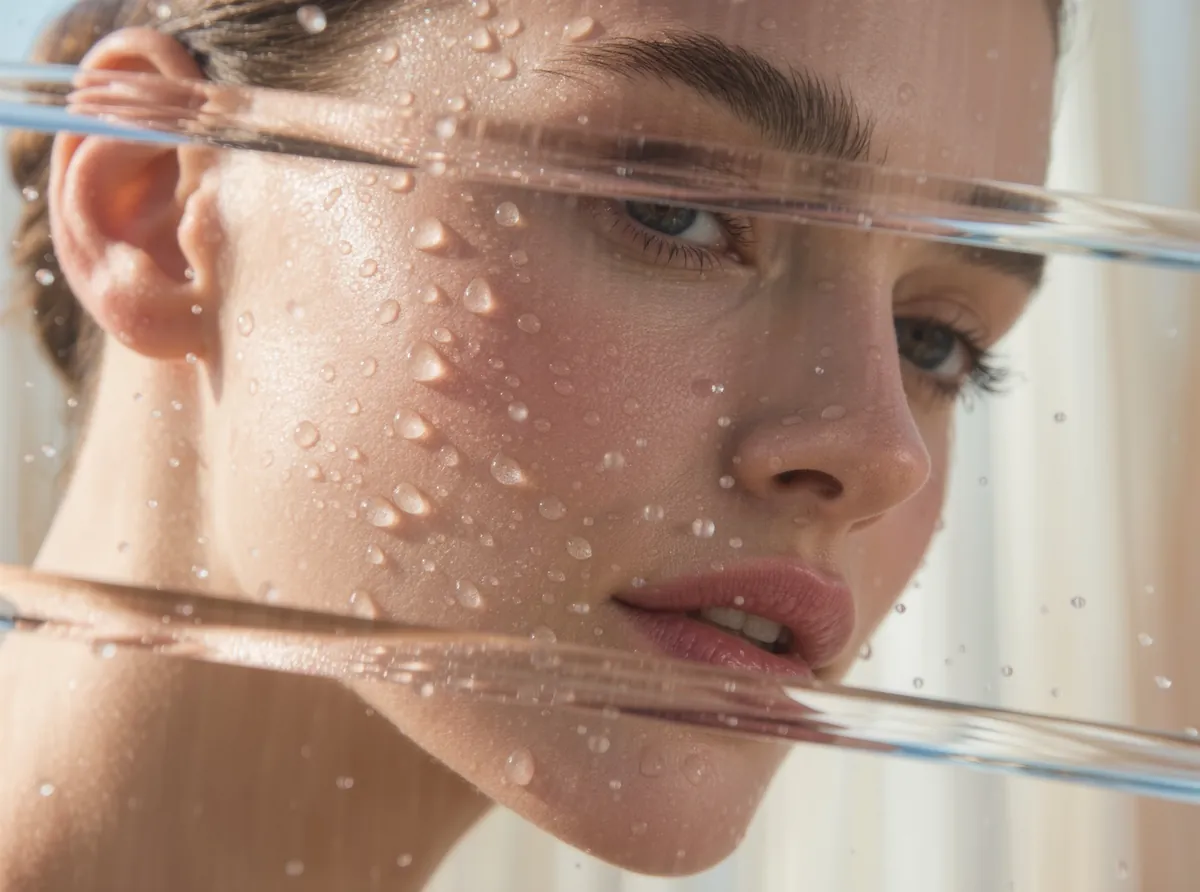
Fragrance molecules need something to cling to. Dry skin behaves like blotting paper with nothing to grip: the alcohol flashes off, the lighter notes go with it, and the base has little to anchor into. Hydrated skin holds the oils of a perfume in a fine film and releases them slowly as the day warms. This is the single biggest difference you can make, and it costs a minute after the shower.
Apply an unscented body cream or a light body oil to the places you intend to perfume and let it settle before you spray. Oil works especially well because fragrance materials are themselves oil-soluble, so they dissolve into the film rather than sitting on top of it. If you would rather not add a step, perfume straight after bathing while the skin is still slightly damp and warm.
Spray, Do Not Rub
Rubbing your wrists together is one of the most persistent gestures in perfumery and one of the least helpful. The friction warms the skin, hurries the top notes away and crushes the more delicate molecules before they have settled. The scent opens louder and finishes earlier. Hold the bottle about fifteen centimetres from the skin, spray once per spot and let it dry on its own.
Choose warm places where the blood runs close to the surface: the inside of the wrists, the base of the throat, behind the ears, the crook of the elbows and, in summer, the backs of the knees. Warmth lifts the scent without any help from friction. A light mist on a hairbrush drawn through dry hair leaves a soft trail for hours, and fabric holds fragrance for days, so a scarf or the lining of a coat works beautifully. Keep perfume away from silk, pale leather and anything that might mark.
Reading the Label
The words on a bottle describe concentration, and concentration is the clearest guide to longevity. The higher the proportion of perfume oil to alcohol and water, the longer the scent stays with you and the more quietly it sits.
- Eau de cologne: a light splash, one to two hours
- Eau de toilette: fresh and easy, roughly three to five hours
- Eau de parfum: richer and rounder, most of the day
- Extrait de parfum: applied by the drop, still there the next morning
The same name from the same house can smell slightly different across concentrations, because the perfumer adjusts the formula so that the richer version does not turn heavy. If you love a scent but lose it by lunchtime, trying the next concentration up is the simplest answer there is.
Store It Like Wine
Light and heat are the quiet undoing of a perfume. Sunlight breaks down the more fragile molecules, especially citrus and some florals, and warmth encourages the alcohol to evaporate and the formula to shift. A bottle that lives on a sunny bathroom shelf through steam and temperature swings can lose its freshness within a year; the same bottle kept in a cool, dark drawer or its own box stays true for several.
Keep the cap on, avoid decanting more than you will use within a few months, and resist the urge to shake the bottle. Treat it as you would a good wine: steady temperature, no direct light and a little patience.
Scent lingers where the skin is cared for, not where it is rubbed.
Layer and Let Your Skin Speak
Many houses make a shower gel, body lotion or hair mist in the same scent as the fragrance, and using them together builds a base the perfume can rest on. The effect is quieter and longer than a single spray, because the scent rises from several surfaces at once. If a matching line does not exist, an unscented base does the same structural work without arguing with the composition.
Finally, accept the role of your own chemistry. Skin that is warmer or more naturally oily tends to hold base notes and amplify sweetness; cooler or drier skin lets top notes shine but may let them go sooner. Diet, hormones and the season all play a part. This is not a fault to correct but a reason to test on your own skin and to choose compositions that suit the way you wear them.
None of this asks you to change what you love, only how you wear it. Hydrated skin, a steady hand, the right concentration and a dark drawer will carry a fragrance from morning to evening, so that the scent you chose with such care is still there when someone leans in to say goodnight.
Questions, answered
Does perfume last longer on clothes than on skin?
Usually yes. Fabric does not warm or absorb the oils the way skin does, so the scent sits on the surface and can be noticed for days. The trade-off is that it barely develops: you hear the opening on repeat rather than the full story. A light mist on a scarf alongside skin application gives you both.
Is it true that perfume goes off?
Fragrance does change over time, especially when exposed to light and heat. Citrus and fresh notes are the first to lose their sparkle, and the colour of the liquid may deepen. Stored well in its box in a cool place, a bottle keeps its character for several years, sometimes much longer.
Why does my perfume smell strong to others but faint to me?
Your nose adapts to a scent that is constantly present, a process called olfactory fatigue. After an hour you stop noticing what everyone else still smells clearly. Resist the urge to reapply heavily. If you want reassurance, ask a friend in the afternoon, or spray lightly on a scarf you can lift to your nose.
Three terms
- Extrait de parfum
- The most concentrated form of a fragrance, usually applied by the drop and the longest lasting on skin.
- Olfactory fatigue
- The nose's habit of tuning out a scent that is constantly present, so the wearer notices it less than others do.
- Atomiser
- A small refillable spray bottle used to carry a fragrance for a light refresh during the day.
Photo: licensed stock photography.