Finding Your Undertone
Warm, cool or neutral: the simple tests that end the shade-matching guesswork for foundation, blush and lipstick.
Most shade mistakes are not about depth at all. The foundation that turns faintly orange by lunchtime, the lipstick that looks wonderful on a friend and tired on you, the blush that sits on the cheek like a stamp: all of these come from undertone, the quiet hue beneath the surface of the skin. A handful of simple tests reveal it, and once you know it the guesswork ends.
Surface Tone and Undertone
Surface tone is what you see first: fair, light, medium, tan or deep, and it changes with the seasons, a holiday or a long winter. Undertone sits beneath it and does not change. It is the cast that runs through the skin, warm (golden, peachy, yellow), cool (pink, red, bluish) or neutral (a balance of the two), and it is the reason two people of the same depth can wear completely different shades of the same colour.
Foundation ranges are built on this idea. Depth decides the number on the bottle; undertone decides whether that number is the right one for you. Match the depth and ignore the undertone, and the base will look like a mask however well you blend it. The same logic governs blush, lipstick, hair colour and even the shade of white in a shirt.
The Classic Tests
No single test is decisive, so run several and look for agreement. Do them in daylight, near a window, with a clean face and no coloured clothing reflecting onto the skin.
- Veins: look at the inside of the wrist. Veins that read green suggest warm; blue or purple suggest cool; a mix of both, or hard to tell, suggests neutral.
- Fabric: hold pure white and then cream or ivory against the face. If white flatters you and cream looks dull, you lean cool; if cream warms you and white looks stark, you lean warm.
- Jewellery: silver and platinum tend to brighten cool skin, while gold brings warm skin to life. If both look equally good, you are probably neutral.
- Sun: skin that turns golden and tans readily is usually warm; skin that flushes pink first and tans slowly is usually cool.
- The neck and chest: the skin here is less exposed and often shows the true undertone more plainly than the face.
If three of the five point the same way, trust them. If they disagree, you are most likely neutral, which is the easiest category to dress, or olive, which deserves its own section.
The Olive Case
Olive skin is often described as warm, and often as neutral, and is in truth neither. It carries a green or grey cast alongside its yellow, which is why so many foundations turn orange or pink on olive complexions, and why cream fabric can look muddy while white looks fine. Olive runs across every depth, from very fair Mediterranean skin to deep South Asian and Latin American complexions.
If you are olive, look for bases described as neutral with a hint of yellow, or specifically as olive, and expect to need a slightly deeper shade than your first instinct suggests, since lighter shades sit ashen. Blush in brick, terracotta and muted rose, and lipsticks in brown-rose, brick red and plum, tend to look most natural.
What It Means for Colour
Warm undertones are flattered by bases with a yellow or golden cast, blush in peach, coral and apricot, and lipsticks in warm reds, brick, terracotta and brown-based nudes. Bronzer looks like sun rather than mud, golden highlighters glow, and a camel or ivory knit does more for the face than a stark white one.
Cool undertones want a base with a pink or rosy cast, blush in rose, berry and cool pink, and lipsticks in blue-based reds, raspberry, plum and mauve nudes. Highlighters in champagne or pearl sit more naturally than golden ones, and pure white, charcoal and navy are the colours that make the skin look clearest.
Neutral undertones can borrow from both sides. The trick is to choose a base that is neither visibly pink nor visibly yellow, then let the mood decide the rest: peach blush on a summer day, rose in winter, a true red lipstick that is neither warm nor cool and therefore always right. If you would like a guided version of these tests, cavalni's Undertone Finder walks you through them in a few minutes.
Depth is the number; undertone is the truth beneath it.
Knowing your undertone does not narrow your choices; it sharpens them. The shelves become legible, the samples make sense, and the shades that always felt right finally have a reason. From there, everything you buy simply looks like you.
Questions, answered
Can my undertone change over time?
No. Surface tone shifts with sun, season and the years, so you may move up or down in depth, but the warm, cool or neutral cast beneath stays the same throughout life. If a shade that once matched now looks wrong, it is almost always the depth that has changed, not the undertone.
What if the vein test and the jewellery test disagree?
Disagreement usually means you are neutral or olive. Neutral skin shows no strong lean and wears both silver and gold well; olive skin carries a green cast that can make the tests contradict each other. In both cases, try a neutral base first, then adjust half a step warmer or cooler by eye in daylight.
Which undertone suits a red lipstick?
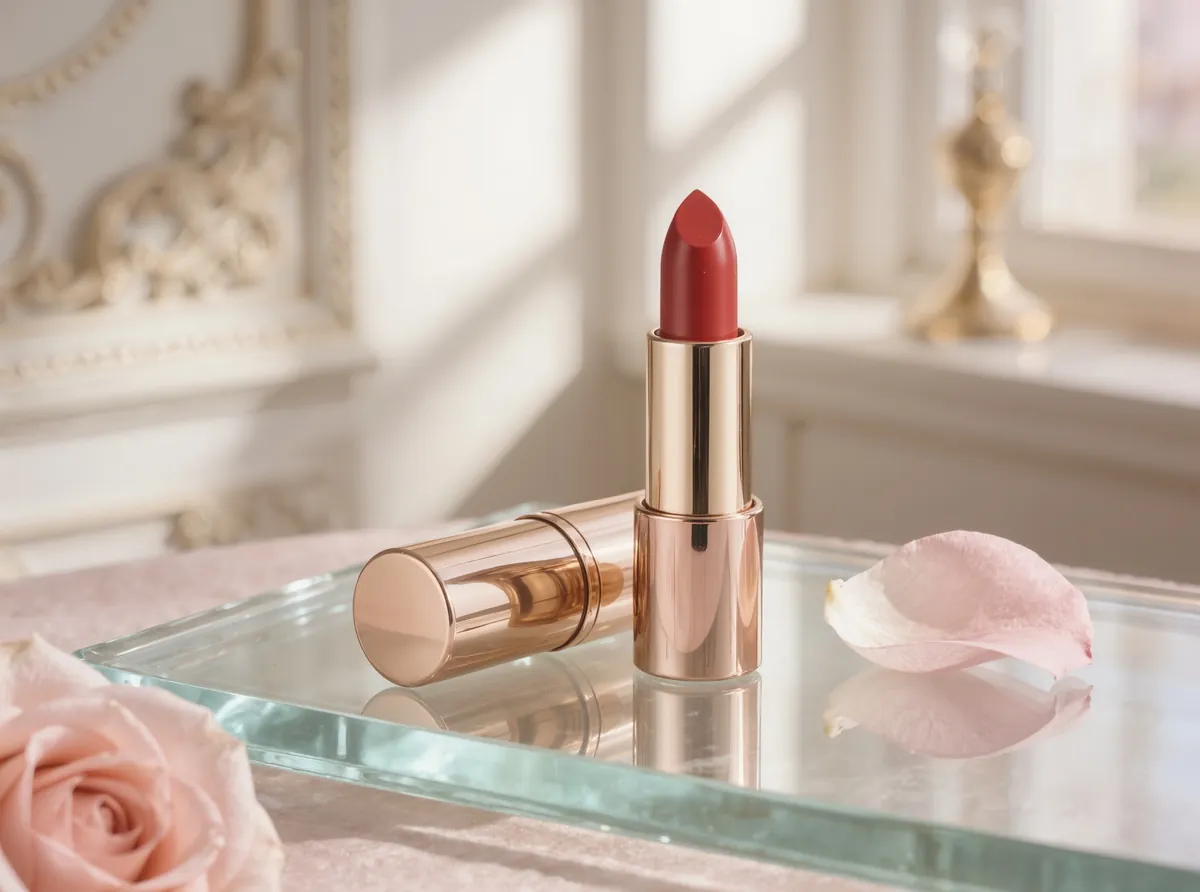
All of them, with the right red. Cool undertones glow in blue-based reds such as cherry and raspberry, warm undertones in orange-based reds such as tomato and brick, and neutral undertones can wear a true red that leans neither way. Olive skin tends to look best in brick and deep berry reds.
Three terms
- Undertone
- The fixed warm, cool or neutral cast beneath the surface colour of the skin.
- Olive
- An undertone with a green or grey cast alongside yellow, found at every depth of skin.
- Base
- A general word for foundation, tinted moisturiser or skin tint, the product that evens skin tone.
Photo: licensed stock photography.