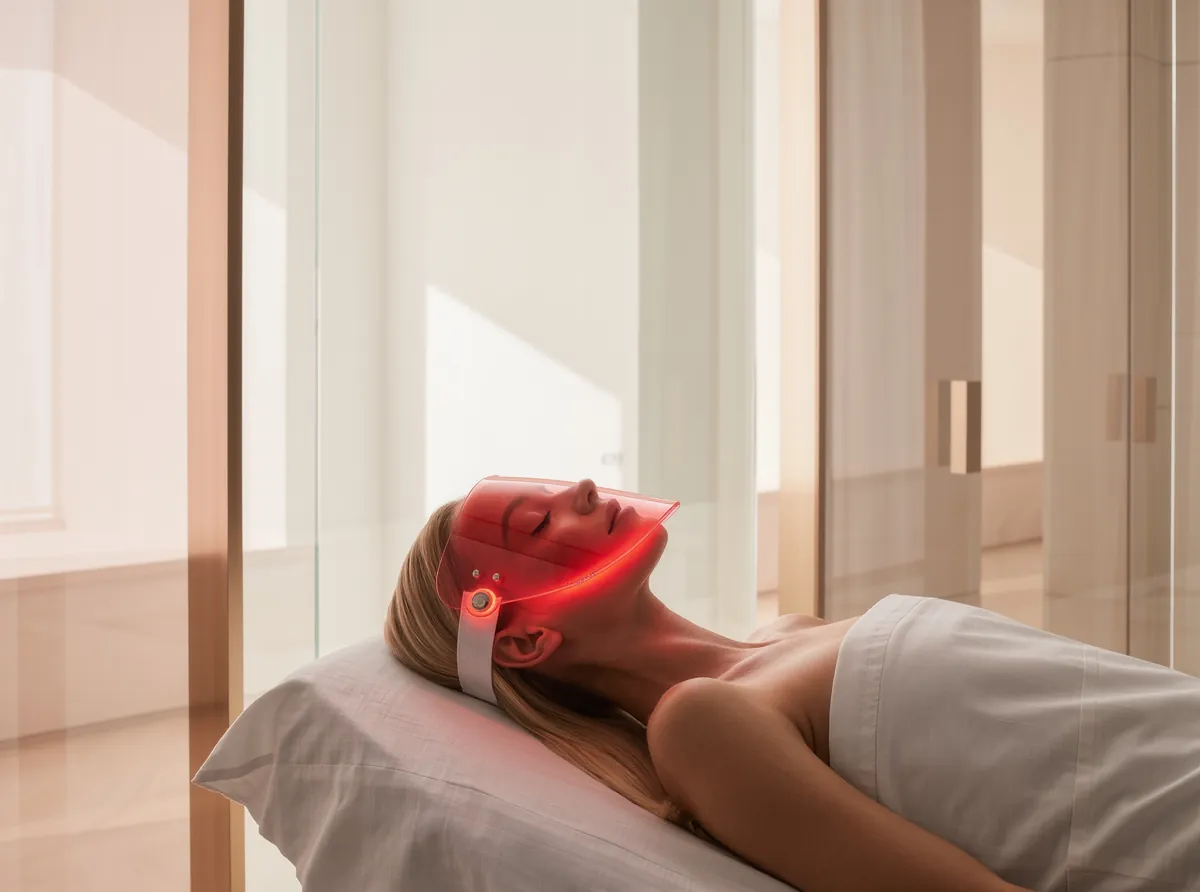

A Calm Guide to Professional Facials
What a good facial actually does, how often to book one, and how to read a treatment menu.
A good facial is one of the few treatments that is as pleasurable as it is useful: an hour on a warm bed, hands that know what they are doing, and skin that leaves cleaner, calmer and visibly brighter than it arrived. Yet treatment menus can read like a foreign language. This guide explains what actually happens, what the names mean, how often to go and how to tell a fine practitioner from an ordinary one.
This article is editorial and does not replace professional advice. Ask a qualified practitioner about your own skin.
The anatomy of a classic facial
Almost every facial, whatever it is called, follows the same skeleton. It begins with a consultation: a few minutes of questions about your skin, your routine, your sensitivities and what you would like from the hour. A therapist who skips this step is working blind. Then comes a double cleanse, first to remove makeup and sunscreen, then to clean the skin itself, often with a warm compress to lift the day away.
Exfoliation follows, by gentle enzyme, a mild acid or a fine physical polish, and perhaps a few minutes of steam to soften the surface. Extractions, the careful clearing of blocked pores, are offered at this point; they are optional and you may decline them. Massage of the face, neck and shoulders comes next, often the longest and most loved part, followed by a mask chosen for your skin that day. The finish is serum, moisturiser, eye cream and, in daylight hours, sunscreen.
Reading the menu
The names on a menu describe the emphasis rather than a different procedure. Most treatments are the classic sequence above with one stage weighted more heavily.
- Hydrating: layered humectant serums and a rich or sheet mask, for skin that feels tight, dull or travel-worn.
- Brightening: gentle acids or vitamin C and a radiance mask, aimed at uneven tone and a tired surface.
- Deep cleansing: longer steam, thorough extractions and a clay mask, for congested or oily skin.
- Lifting: the classic sequence with a toning device, such as a gentle microcurrent, or firm sculpting massage.
- Oxygen: a fine mist of pressurised oxygen and serum, cooling and pleasant, chosen for an immediate plumped look before an occasion.
If a description leaves you unsure, ask what each step will be and what it is meant to do. A good therapist answers plainly and will often suggest a different treatment from the one you booked once they have seen your skin.
How often, and what to do around it
Every four to six weeks suits most people, which happens to be roughly the time the skin takes to renew its surface. Monthly facials build on each other; a single facial before a wedding is a lovely treat but asks a lot of one hour. If the budget allows one rhythm or the other, regularity wins.
The night before, leave out retinoids, acids and scrubs so the skin arrives calm, and come without makeup if you can. Afterwards, let the skin breathe for a few hours before applying makeup, skip the gym and the sauna that day, keep active ingredients out of the routine for a night or two and wear sunscreen with particular care, because freshly exfoliated skin is more open to light. A little pinkness for an hour or two is ordinary; it is circulation, not a reaction.
Good hands leave the skin calmer than they found it.
Judging a practitioner, and your expectations
You can tell a great deal in the first ten minutes. A fine therapist asks before touching, looks at your skin under good light, explains what they are about to do, and adjusts the plan to what they see rather than to what the menu says. Their room is spotless, tools are cleaned or disposable, and they wash their hands in front of you. They never push you towards extractions or extras you did not ask for.
Afterwards, they tell you what they did and what to do at home, without a shopping list. Qualifications matter, and any reputable salon will happily tell you who trained its staff and how long they have practised. Trust your own comfort as much as the certificates; the best treatments happen when you can relax completely.
As for results, be honest with yourself about what one hour can do. A facial leaves skin cleaner, better hydrated, smoother to the touch and brighter for several days, with a glow that comes from circulation and thorough care. It does not alter the structure of the face or erase years, and a therapist who promises otherwise is selling rather than treating. What regular facials do, over months, is keep skin in a steadily good condition, which is the quieter and more valuable thing.
Treat the facial as a conversation with your skin rather than a transaction. Arrive calm, ask what you want to know, let the hour be slow, and go home with cleaner skin and one or two habits worth keeping. Over a year, those monthly hours add up to something that no single product can quite replicate: skin that is looked after, by someone who knows how, on a rhythm that suits it.
Questions, answered
Should I have extractions?
Only if you want them and your skin is congested. Done well, by a trained therapist with clean hands and gentle pressure after steam, extractions clear blocked pores without marking the skin. They are always optional, and declining them is perfectly normal. Skin with active, inflamed breakouts is usually better left alone.
Can I wear makeup after a facial?
Wait a few hours if you can, and ideally until the next morning. Freshly cleansed and exfoliated skin benefits from a little time without anything on it, and the glow from the treatment is at its best uncovered. Mineral sunscreen is the one thing worth applying straight away in daylight.
How do I know a facial is working?
Immediately, skin should feel clean, soft and comfortable, and look brighter and more even for several days. Over months of regular visits, breakouts become rarer, texture smoother and the skin steadier through the seasons. Persistent redness, stinging or tightness afterwards are signs to discuss with your therapist before the next booking.
Three terms
- Extractions
- The careful manual clearing of blocked pores after steam, carried out with clean fingers or a small tool.
- Enzyme exfoliant
- A gentle exfoliating treatment that uses fruit enzymes to dissolve dead surface cells without scrubbing.
- Double cleanse
- Two consecutive cleanses, the first to remove makeup and sunscreen and the second to clean the skin itself.
Illustration: AI generated.