Scalp Care Is the New Skincare
Why healthy hair begins at the root, and a simple scalp routine for shine, strength and comfort.
We cleanse, exfoliate and moisturise the skin of the face as a matter of course, and then stop at the hairline. Yet the scalp is skin too, with the same sebum, the same living surface and the same tendency to collect what the day leaves behind. Treat it with the attention you give your complexion and the hair that grows from it responds with more shine, more volume and a lightness you can feel.
The Scalp Is Skin
Beneath the hair lies one of the richest stretches of skin on the body. The scalp carries more sebaceous glands per square centimetre than almost anywhere else, which is why roots turn oily long before ends turn dry. It also hosts its own microbiome, a community of microorganisms that keeps the surface balanced when it is left in peace.
Over a week, sebum mixes with styling products, mineral deposits from hard water and the skin's own shed cells. The result is build-up: a fine film that dulls the hair at the root, weighs it down and can leave the scalp feeling tight. Removing it gently and regularly is the whole secret of scalp care, exactly as it is with the face.
Cleanse, Exfoliate, Massage
Once a week, swap your usual shampoo for a clarifying wash or use a scalp exfoliant. Clarifying formulas lift the residue that daily shampoo leaves behind; exfoliants do the same with fine granules or gentle fruit acids. Apply to the scalp only, work it in with the pads of your fingers and leave the lengths alone, since they are not where the build-up lives.
Massage is the step people skip and the one that makes the ritual a pleasure. Place your fingertips, never the nails, on the scalp and move the skin over the bone in slow circles, from the hairline to the crown and down to the nape. Three to five minutes is enough. The pressure should be firm enough that you feel the scalp move and light enough that it never pulls the hair. Circulation to the root increases, and the muscles of the head let go of tension you did not know you were holding.
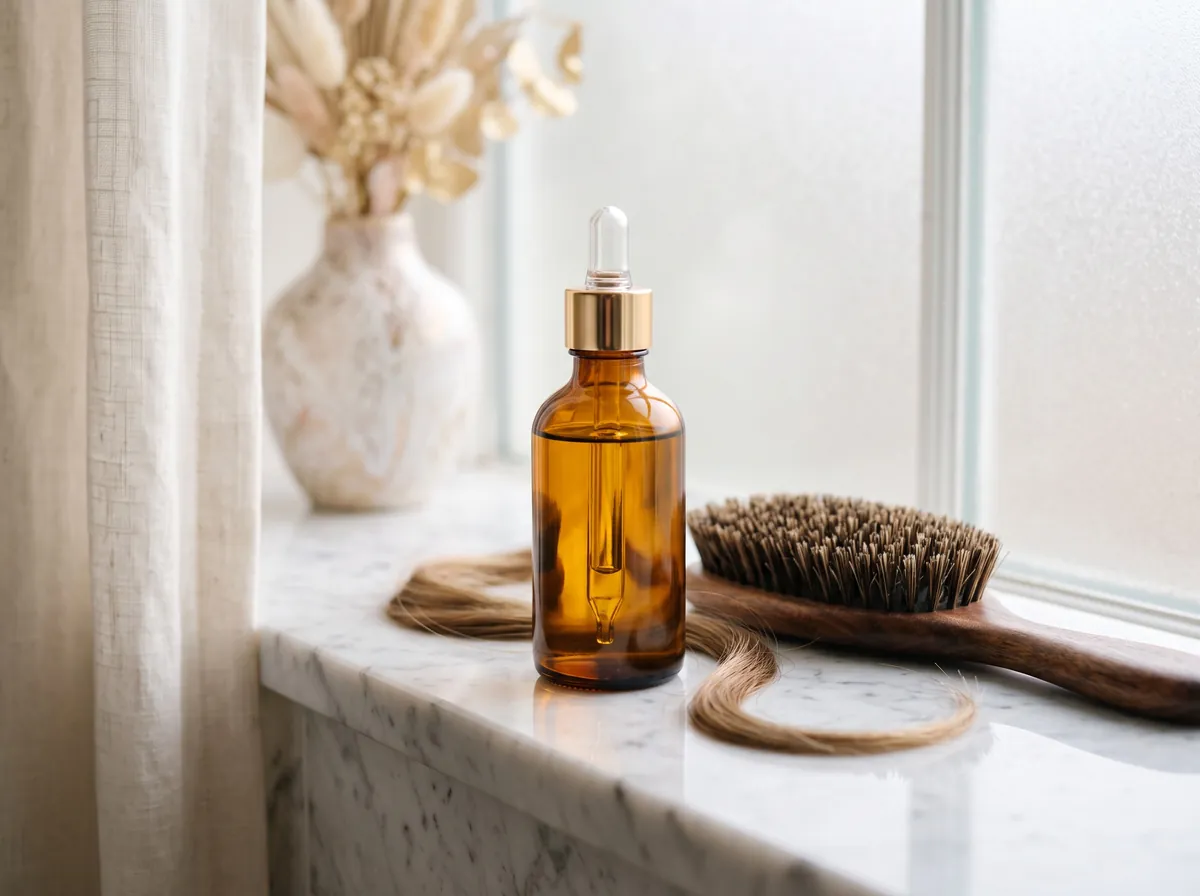
If your scalp leans dry, a pre-wash oil once a week is a gentle addition. Warm a few drops of a light oil such as jojoba between your palms, apply to the scalp in sections, massage and leave for twenty minutes before shampooing twice. Oilier scalps can skip this step or keep the oil to the ends.
How Often to Wash
There is no universal answer, only the one your hair gives you. Fine or straight hair shows oil quickly and often prefers washing every day or every other day with a light formula. Wavy and thicker hair can usually go two to three days. Curly and coily textures carry their natural oils less easily along the length and may wash once a week, with a conditioner-only rinse in between.
Whatever the rhythm, the water matters. Use lukewarm rather than hot water, which strips sebum faster than the scalp can replace it and leaves the surface tight. Shampoo twice if your hair is heavily styled: the first wash loosens, the second cleans. Then rinse for longer than feels necessary, parting the hair and letting the water run over the scalp until it squeaks faintly under your fingertips. Residue left behind is the most common reason for a flat, dull root.
Night and the Spaces Between
What happens between washes counts as much as the wash itself. Tight ponytails and buns pull constantly at the root; worn every day they tire the follicle, so alternate them with loose styles and soft ties. At night, a silk or satin pillowcase lets hair glide rather than catch, which means less friction at the scalp and fewer tangles to brush out in the morning.
- Wash brushes weekly so that old oil and product are not returned to the scalp
- Alternate tight styles with loose ones and use soft, smooth ties
- Sleep on silk or satin to reduce friction at the root
- Give the scalp a product-free day now and then
Healthy hair is grown, not applied, and growing begins at the root.
How You Know It Is Working
Give the routine six to eight weeks, roughly the time the scalp needs to settle into a new rhythm and for the hair at the root to show the difference. The first sign is comfort: the tightness after washing fades and you stop reaching up to scratch. Flaking that was simply dryness or residue eases. Roots stay fresh for longer because the glands are no longer working overtime to replace what hot water took.
Then comes volume. Hair that is not weighed down by film lifts at the root on its own, and the light catches it. None of this is dramatic from one day to the next, which is exactly why it lasts.
Think of the scalp as the soil and the hair as what grows from it. Tend the soil gently and often, keep it clean without stripping it, let it rest, and the shine you have been chasing with serums and sprays begins to arrive from underneath, quietly and on its own.
Questions, answered
Should I exfoliate my scalp if it is oily?
Yes, gently. An oily scalp often has more build-up, not less, because sebum binds with styling residue and shed cells. A weekly clarifying wash or a fine exfoliant lifts that film and lets the roots breathe. Keep the lengths out of it and follow with your usual conditioner on the ends only.
Can scalp massage make hair grow faster?
Massage improves circulation to the root and releases tension in the scalp, which creates good conditions for hair to grow as it should. It is best thought of as supporting the hair you have rather than changing its pace. Many people notice more volume and comfort within a couple of months of regular practice.
Is hot water really that bad for the scalp?
Hot water dissolves sebum quickly and leaves the scalp tight, which prompts the glands to produce more oil to compensate. Lukewarm water cleans just as well when you take your time rinsing. A cooler final rinse also helps the cuticle lie flat along the lengths, which is where shine comes from.
Three terms
- Sebum
- The natural oil produced by glands in the scalp that protects the skin and hair but can build up between washes.
- Build-up
- A film of product residue, mineral deposits and shed skin cells that dulls the hair at the root and weighs it down.
- Clarifying shampoo
- A deeper-cleansing formula used occasionally to remove the residue that everyday shampoo leaves behind.
Photo: licensed stock photography.