
The Hammam: Morocco's Steam Ritual
Black soap, the kessa glove and rhassoul clay: inside one of the world's oldest beauty rituals.
Step through the low doorway of a Moroccan hammam and the air changes first: warm, damp, scented faintly with eucalyptus and olive. Then the light softens, the sounds slow, and an hour of steam, soap and clay begins. This is a ritual older than most beauty routines, and it still works on the simplest principles. Here is where it comes from, what happens inside, and how to borrow its calm at home.
From Roman Baths to the Neighbourhood Hammam
The hammam has a long lineage. The public baths of the Roman world, with their sequence of warm, hot and cold rooms, left their mark across North Africa. As Islamic culture spread through the region from the seventh century onwards, bathing took on a new meaning: cleanliness as a form of respect, for oneself and before prayer. The bathhouse kept the warm rooms and the steam, and became part of daily life.
In Morocco the hammam grew into more than a place to wash. Almost every quarter of a medina has one, often beside the bakery whose oven shares its heat. Women and men attend at separate hours. Neighbours talk, children are scrubbed, brides are prepared the day before a wedding. The weekly visit is a social appointment as much as a cleansing one, which is partly why it has lasted.
The Sequence, Room by Room
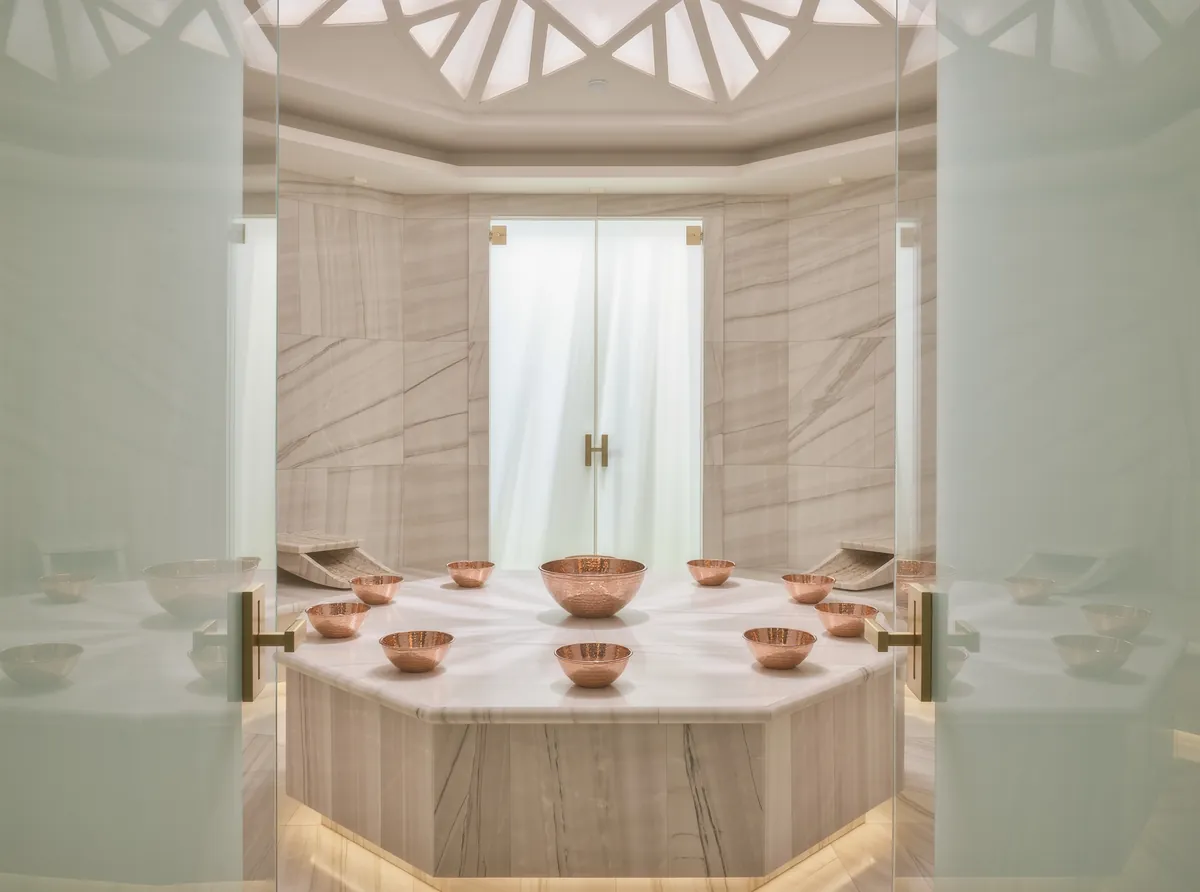
A traditional hammam moves you through rooms of rising warmth. You begin in the first room, where your body adjusts and you fill buckets with water. You move on to the hottest room and sit, often on heated marble, while the steam softens your skin and loosens the day. Ten to fifteen minutes is usual, and nobody watches the clock.
Then the ritual proper begins, in an order that has barely changed in centuries:
- Beldi soap, a dark, soft paste made from olive oil and crushed olives, is spread over damp skin and left for several minutes.
- The kessa, a glove of coarse woven fabric, is worked in firm strokes to lift away softened dead skin.
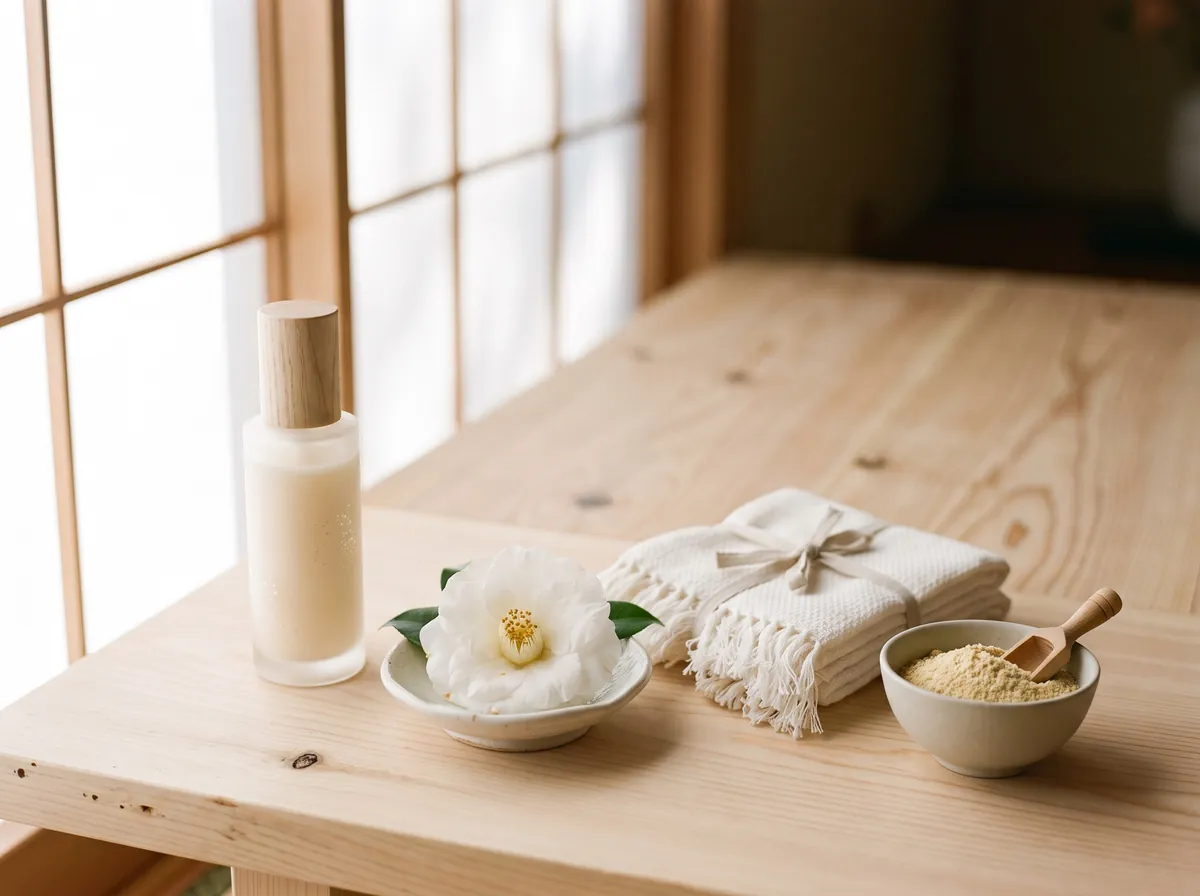
- Rhassoul clay from the Atlas Mountains, mixed with water or rosewater, is smoothed over body and hair, then rinsed.
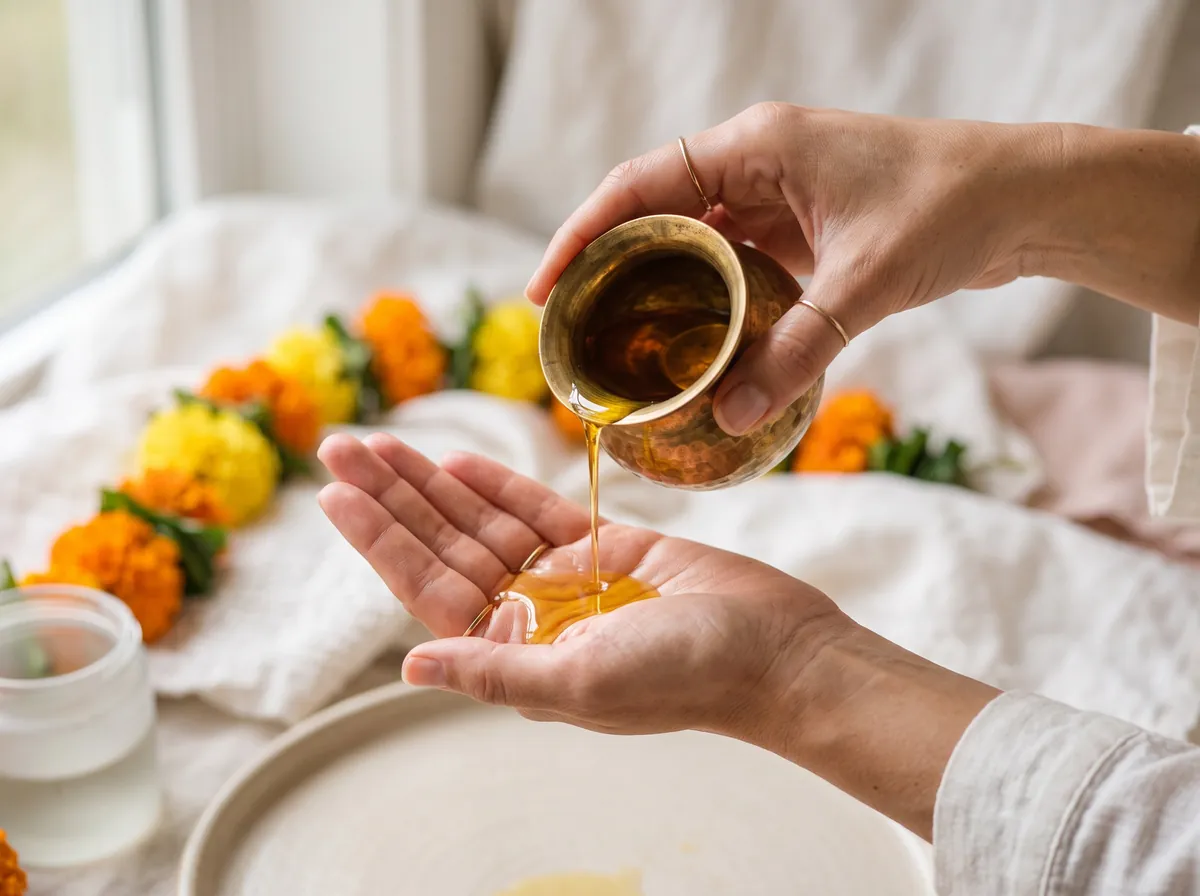
- Argan oil, pressed from the kernels of a tree native to the south-west of the country, finishes the skin.
- Mint tea, sweet and hot, is poured in the cooling room while your body settles.
Each step prepares the next. The steam softens, the soap loosens, the glove clears, the clay refines, the oil seals. There is nothing to choose and nothing to decide, which is precisely the point.
What the Glove Knows
The kessa is the heart of the hammam and the step that surprises first-time visitors. The attendant works in long, decisive strokes from the shoulders down, and small grey rolls appear on the marble. This is not dirt in the ordinary sense but the layer of dull, softened cells that steam and soap have loosened. The skin underneath feels smooth and looks even, with the soft glow that comes from light meeting a clear surface.
The firmness takes a moment to get used to. Breathe, let the strokes do the work, and say so if you prefer a lighter hand. Afterwards the clay feels cool and almost silken, and the final rinse with warm water is one of the quietest pleasures in beauty.
Warmth, water and time: the oldest rituals ask for little and return a great deal.
A Gentle Version at Home
You cannot rebuild a bathhouse in a flat, but you can borrow its logic for one evening a week. Run a hot shower with the door closed so the room fills with steam, and stay in the warmth for ten minutes before you touch anything. Spread a thin layer of black soap over damp skin and leave it while you breathe. Then work a kessa glove, or any coarse mitt, in long upward strokes, keeping the pressure light on the chest, neck and inner arms.
Rinse, then mix rhassoul clay with warm water to a smooth paste and leave it on the body for five minutes while it gently tightens. Rinse again, pat dry, and massage a few drops of argan oil into skin that is still a little damp. Finish with mint tea, or any warm infusion, and do nothing productive for the next half hour.
Visiting Well
If you visit a hammam in Morocco, a little etiquette goes a long way. Bring your own kessa, a small pot of black soap and a change of underwear, or buy them at the entrance; underwear is worn throughout in a public bath. Leave jewellery at home, keep your voice low and let the attendant lead if you have booked a scrub. Drink water before and afterwards, eat lightly beforehand, and tip the attendant, which is customary and appreciated.
What the hammam teaches is less a technique than a tempo. Heat first, then care, then rest, in that order and without hurry. Take that home with you, even in the weeks when the glove stays in the drawer, and your skin, and your evening, will notice.
Questions, answered
How often should I do a hammam-style scrub?
Once a week is the traditional rhythm and a sensible one at home. The kessa lifts a visible layer of softened skin, so the surface needs time to renew between sessions. If your skin is fine or easily flushed, a fortnight is gentler, and you can still enjoy the steam, soap and oil every week.
What is beldi soap made from?
Beldi, or black soap, is a soft paste made from olive oil and macerated olives, sometimes with a little eucalyptus. It has a dark colour and a faint, earthy scent. Spread on damp, steamed skin and left for a few minutes, it softens the surface so the glove can work without force.
Can I use rhassoul clay on my hair?
Yes, and Moroccan women traditionally do. Mixed with warm water to a loose paste, rhassoul is smoothed through wet lengths, left briefly and rinsed thoroughly. It leaves hair feeling clean and soft without any foam. Follow with a light conditioner on the ends if your hair is long or dry.
Three terms
- Beldi soap
- A soft Moroccan soap paste made from olive oil and olives, used on steamed skin before exfoliation.
- Kessa
- A coarse woven glove used in the hammam to lift softened dead skin in long, firm strokes.
- Rhassoul
- A mineral clay from the Atlas Mountains, mixed with water and used on skin and hair in the hammam.
Illustration: AI generated.